Monday, 27 November 2023

Assignment 203 :- Unveiling the Power of Silence : Subaltern Resistance in Coetzee's novel 'Foe'

 Welcome readers! This blog is written as a part of my third semester assignment in Paper No. 203 The Postcolonial Studies. In this blog, I will explore the topic 'Unveiling the Power of Silence : Subaltern Resistance in J.M.Coetzee's novel 'Foe.'

Name :- Hetal Pathak

● Roll No. :- 09 

● Semester  :- 3 ( Batch 2022 - 2024)

● Enrollment No.- 4069206420220022

● Paper No. :- 203  

● Paper Name :- The Postcolonial Studies 

● Topic :- Unveiling the Power of Silence: Subaltern Resistance in Coetzee's novel - 'Foe' ●Submitted to :- Smt.S.B.Gardi Department of English, Maharaja Krishnakumarsinhji  Bhavnagar University 

● Email Address:- hetalpathak28@gmail.com 

● Date of Submission:- 1st December, 2023


Unveiling the Power of Silence : Subaltern Resistance in Coetzee's novel - 'Foe' :- 

□ Table of Contents 

● Introduction

● About J.M.Coetzee 

● Background of the novel

● Subaltern Studies

● Subaltern's Silence in 'Foe' 

● Conclusion 


Introduction :- 

The South African Nobel laureate J.M.Coetzee is one of the most important figures associated with post - colonial literature in English. As David Attwell has Pointed out that;  

 'Coetzee's novels tend to focus on the themes of power and authority, especially the complex dialectics they form under colonialism or its post- colonial legacy.' 


However, according to sebastian smith ; 


 "While these thematic concerns are still prominent, Foe departs from J.M.Coetzee's other works in its 'predominantly postmodernist' qualities, including its self- reflectivity, metaphoricity and allegorical potential." 

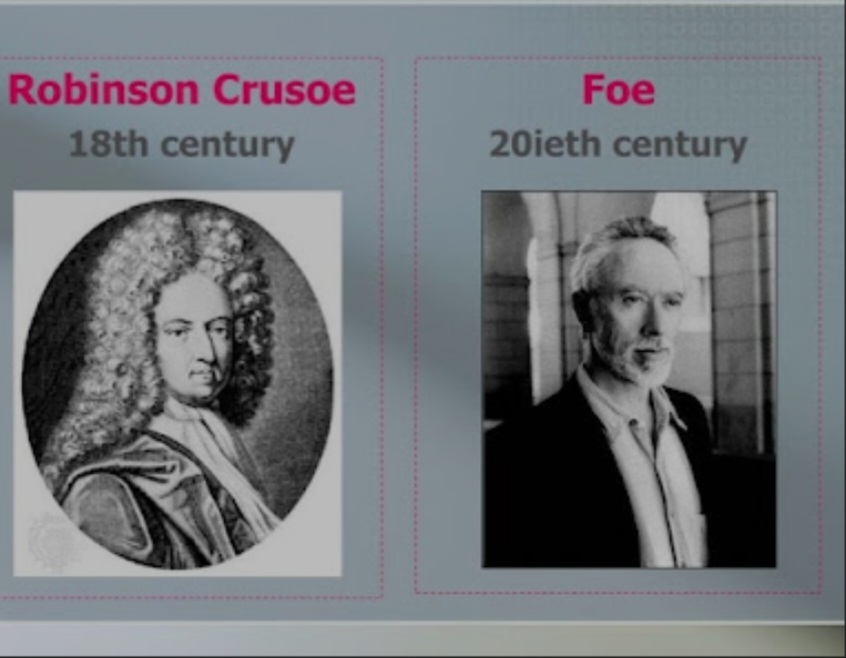
Its uniqueness also lies in the fact that it is a complex rewriting or adaptation of Daniel Defoe's canonical "founding father of the English novel" Robinson Crusoe. In the first chapter of Foe, its protagonist Susan Barton, from a female perspective, retells a Robinsonade story about how she spent a year with Cruso ( Coetzee purposefully omits the 'e' in Defoe's 'Crusoe') and Friday after she was stranded on an island. 

 But in the later parts of the book her story stretches beyond the confines of Defoe's island and she brings Friday back to England, where she becomes preoccupied with negotiating authorship and discussing the philosophical implications of writing with the writer Foe, who, needless to say, is Defoe's eponymous fictional incarnation in Foe. Therefore, it can be said that by appropriating not only Robinson Crusoe's characters but also its author, Foe actively engages in palimpsestic dialogues with its canonical counterpart to explore the dynamics between the different socio-historical contextualization of novel writing in Defoe's 18th century England and Coetzee‟s Apartheid South Africa. It argued that In 'Foe' postmodern techniques, Intertextuality and metafiction in particular, are central to its deconstructive approach toward the notion of post-colonial truth in silence. 

About J.M.Coetzee :- 

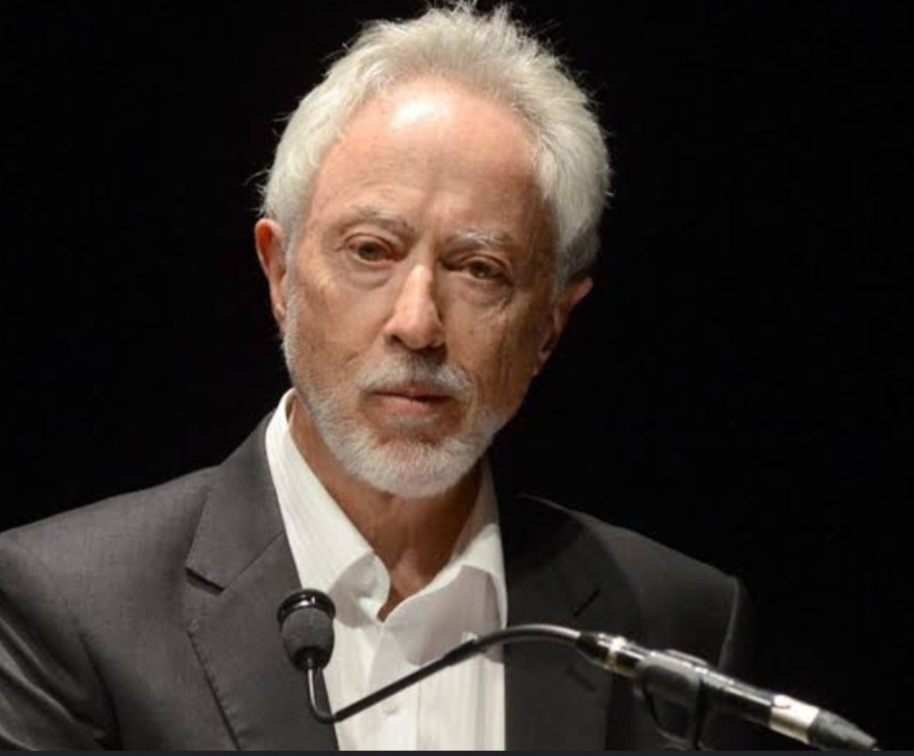
John Maxwell Coetzee ( born on 9th February 1940) is a South african and australian novelist, essayist, linguist, translator and recipient of the 2003 Nobel prize in literature. He is one of the most critically acclaimed and decorated authors in the English language. Coetzee moved to Australia in 2002 and became an Australian citizen in 2006. He lives in Adelaide. He has won the Booker Prize ( twice ) , the CNA Literary Award ( thrice ) , the Jerusalem Prize and The Irish times ,  International fiction Prize and holds a number of other awards and honorary doctorates. 


 Coetzee's mother was a Primary school teacher. His father was trained as an attorney. Though his Parents were not of British descent , the language spoken at home was English. He began writing fiction in 1969. Coetzee has also been active as a translator of Dutch and Afrikaans literature. The Swedish academy stated that ; 

      " Coetzee in  guises portrays the surprising involvement of the outside." 


The Press release for the award also cited his well - Crafted composition , and analytical brilliance , while focusing on the moral nature of his work. J.M. Coetzee is indeed considered an important and major figure in Post colonial studies. His works often explore themes  related to Colonialism , and the Postcolonial experience in south - africa.  

Coetzee's life :- 


J.M.Coetzee's boyhood in the Cape Province was dominated by cultural conflicts, consequent upon his situation as an English - speaking white South African, and the social location of his schoolteacher mother, and his father, who practised intermittently as a lawyer. One Interesting detail, with significance for Coetzee's literary identity, is that he was accustomed to speaking English at home, while conversing in Afrikaans with other relatives. 


In 1965, Coetzee returned to academia: he moved to the USA, to the University of Texas at Austin, on a fulbright exchange programme, where he produced his doctoral dissertation on the style of Samuel Beckett's English fiction, completed in 1969. He taught at the state University of New York at Buffalo, from 1968 to 1971, during which period he worked on his first novel 'Dusklands.' Coetzee's application for permanent residence in the USA was denied, and he returned to South Africa to take up a teaching position at the University of Cape Town in 1972. Following successive promotions, he became Professor of General Literature at his alma mater in 1983, and then Distinguished Professor of Literature from 1999 to 2001. 


Coetzee has held various visiting professorships in the USA - at John Hopkins University, Harvard University, and the University of Chicago, among others. He has won many prestigious literary awards, including the Booker Prize ( twice : in 1983 and 1999), the Prix Etranger Femina ( 1985) and the Jerusalem Prize ( 1987). His international prominence with a wider readership beyond academia was secured with the publication of ' Disgrace' in the year 1999, and consolidated with the award of the Nobel Prize in 2003. 


The question of identity, as a literary as well as an ethnic matter, has proved problematic for many white South African writers, especially those who, like Coetzee, have been raised in South Africa. Coetzee is not an Afrikaner, but a white South African inhabiting a very particular margin, since his background partly distances him from both Afrikaner as well as English affiliations.  Yet J.M. Coetzee's own comments on his ethnic identity show him to be intensely aware of the slipperiness of his position, and of the historical guilt that connects colonial and Postcolonial experience.  Although he felt no affinity with contemporary Afrikaner identity in the apartheid years, Coetzee admitted that he could be branded 'Afrikaner' , on the basis of historical connection, and as a way of identifying his guilt by association with the crimes committed by the whites of South Africa. J.M.Coetzee has indicated that ; 


 'His writing sometimes draws its validity from this sense of complicity.' 


He knows three languages - English, Afrikaans, and Dutch. He has the nationality of two nations South Africa and Australia ( Since 2006). Coetzee's first novel was Dusklands (1974) and he has continued to publish a novel about every three years. He has also written autobiographical novels, short fiction, translations from Dutch and Afrikaans, and numerous essays and works of criticism.


 Regarded as one of the most important writers of modern times, John Maxwell Coetzee is a Nobel laureate, twice Booker Prize winner and a son of South Africa. Even though Coetzee is now an Australian citizen, and calls the city of Adelaide home, he is very about clear where his heart lies:


 'I did not so much leave South Africa, a country with which I retain strong emotional ties, as come to Australia,' he said upon becoming an Australian citizen.


Along with the likes of Alan Paton, Athol Fugard, Nadine Gordimer and Dennis Brutus, who all used their writing to lay bare the horrors of apartheid, his works are regarded as some of the most influential to come out of South Africa during this period. In 2005, Coetzee was awarded the Order of Mapungubwe (gold class), the highest honour the South African president can confer. He received the award for his; 


 'Exceptional contribution in the field of literature and for putting South Africa on the world map'.


His remarkable intellect was confirmed when he graduated, with honours, in both English and Mathematics from the University of Cape Town (UCT), going on to receive a PhD in Linguistics from the University of Texas in Austin, United States. He moved to the United Kingdom after graduating, and from 1962 to 1965 he worked as a computer programmer for IBM, and later moved to the United States. He returned home in 1971 after the US refused to give him permanent residency because of his involvement in anti-Vietnam War protests.


Before relocating to Australia, Coetzee taught English literature at UCT, and retired as Distinguished Professor of Literature in 2002.

It was Coetzee’s thought-provoking books, Life & Times of Michael K and Disgrace that led him to win the Booker Prize in 1983 and 1999, respectively.


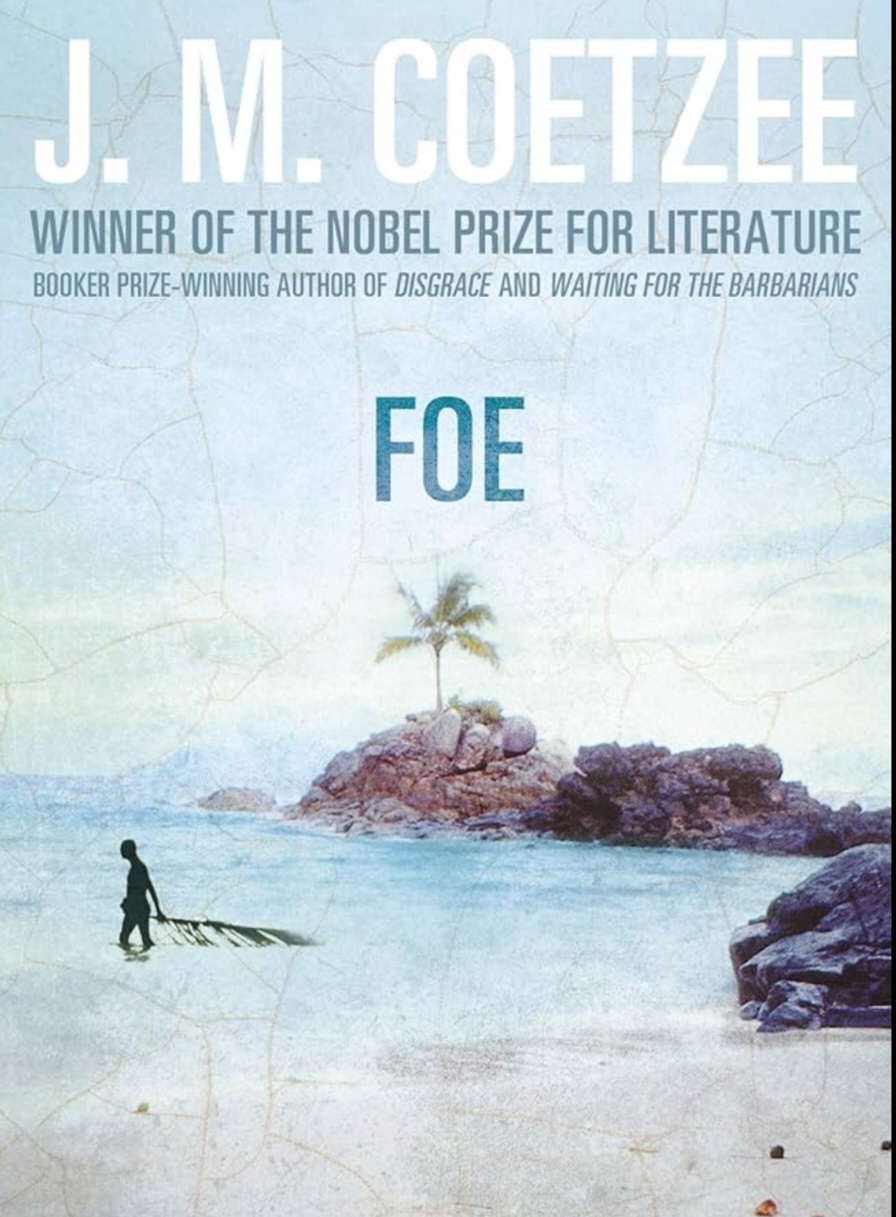
'Foe' - Novel by John Maxwell Coetzee:-

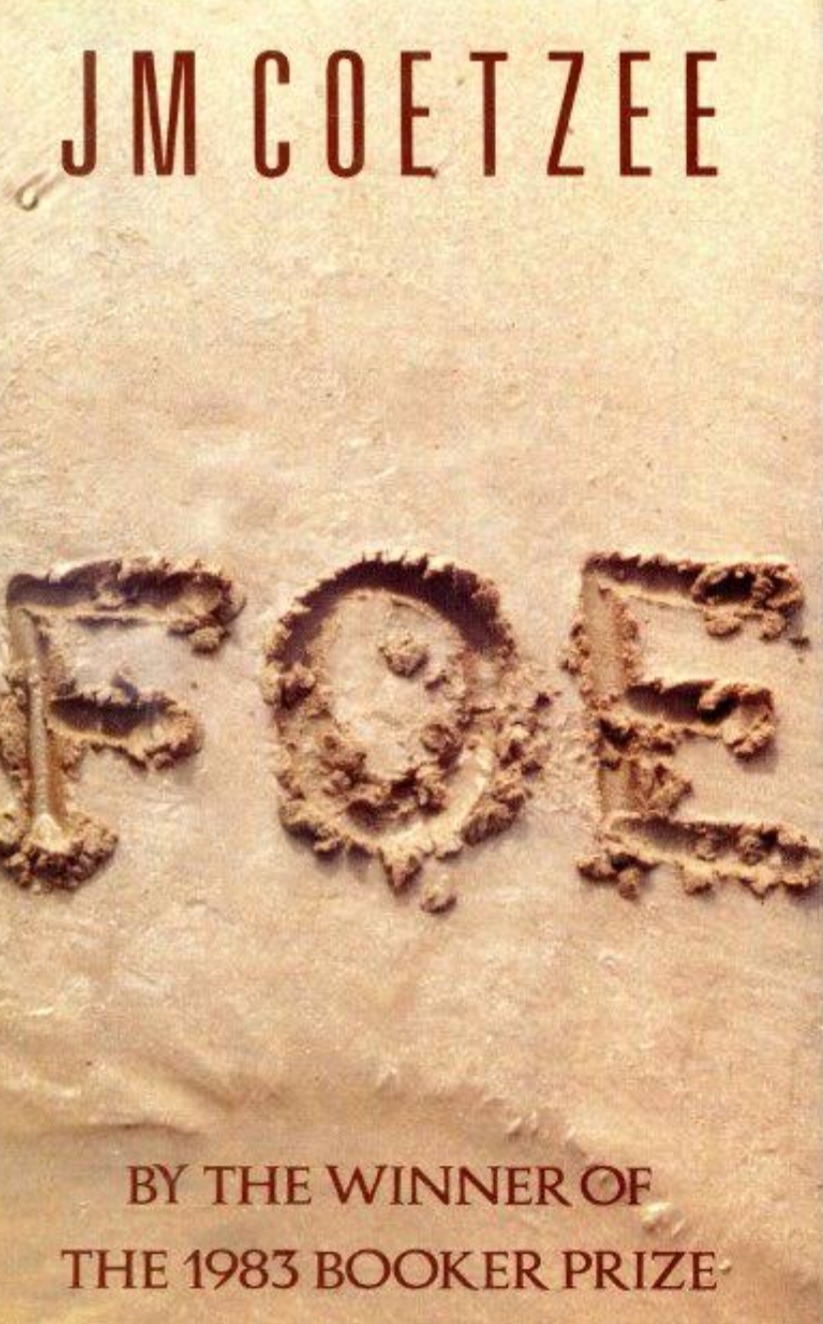
 "Foe" is a thought-provoking novel written by South African author J.M. Coetzee, published in 1986. This book is a reimagining of Daniel Defoe's classic work, "Robinson Crusoe," and it delves into themes of storytelling, colonialism, and the power dynamics between the coloniser and the colonised. 
In J.M. Coetzee's novel Susan Barton is the main Protagonist and narrator. Coetzee's female narrator comes to new conclusions about Power and Otherness. She ultimately Concludes that language can enslave as effectively as can chains. The novel was written from Susan Barton's narrative point of view. She was from England and trying to convince the writer named Daniel Foe to publish her story.  There are several major Plot differences in the two narratives. Though the island in Robinson Crusoe is full of cannibals and mutinies , the island Susan Barton describes is empty and monotonous. 

   "Foe is a satirical reinvention of Daniel Defoe's Robinson Crusoe". 


  "Foe novel was the subject of criticism in South Africa." 


Background of the Novel :- 

In an act of breathtaking imagination, J.M Coetzee radically reinvents the story of Robinson Crusoe.


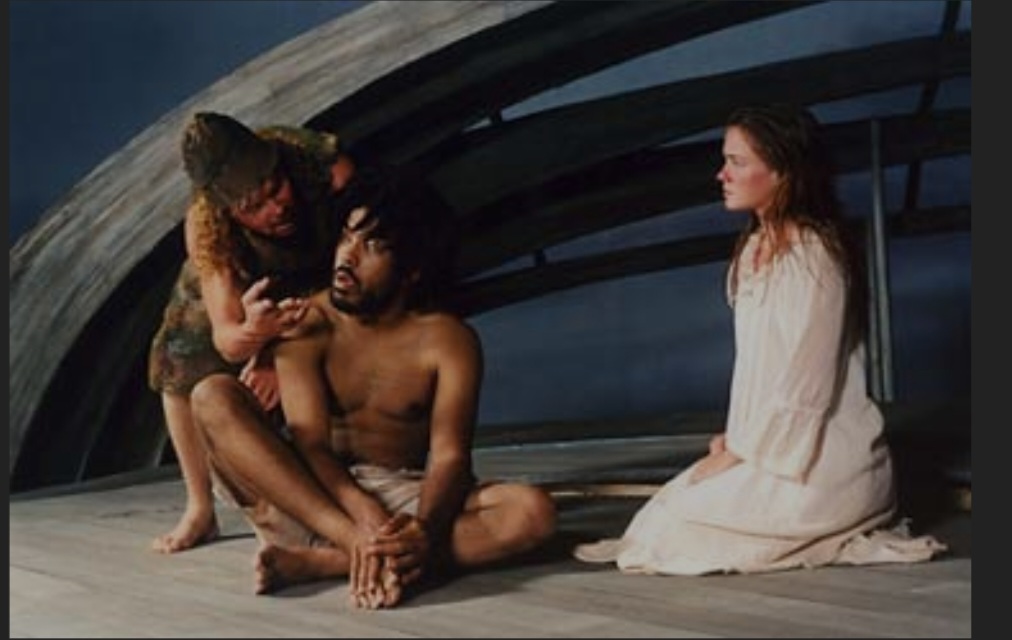
In the early eighteenth century, Susan Barton finds herself adrift from a mutinous ship and cast ashore on a remote desert island. There she finds shelter with its only other inhabitants: a man named Cruso and his tongueless slave, Friday. In time, she builds a life for herself as Cruso's companion and, eventually, his lover. At last they are rescued by a passing ship, but only she and Friday survive the journey back to London.


Determined to have her story told, she pursues the eminent man of letters Daniel Foe in the hope that he will truthfully relate her memories to the world. But with Cruso dead, Friday incapable of speech and Foe himself intent on reshaping her narrative, Barton struggles to maintain her grip on the past, only to fall victim to the seduction of storytelling itself.


Treacherous, elegant and unexpectedly moving, Foe remains one of the most exquisitely composed of this pre-eminent author's works.


'A small miracle of a book. . . of marvellous intricacy and overwhelming power' 

[Washington Post]


'A superb novel' 

[The New York Times]


Silence as a Subaltern Strategy of Resistance in this novel :- 

When apartheid was still ruling over South African society, J. M. Coetzee wrote Foe (1986). Though not regarded as Coetzee's masterpiece, it is one of the prominent works of the novelist knitting together different issues such as intertextuality, post colonialism,and language. Coetzee’s indirect reference to South Africa’s contemporary cultural, political, and social context will be made visible through a focus on the issues dealt with in the novel. In fact, it is the very indirectness of the novel that gives it an enduring quality to be read freshly at all times. 


In this assignment, I will discuss about Coetzee’s novel Foe from the perspective of 

Subaltern Studies to discover the role of the subaltern language in the novel. It shows how Coetzee establishes the context of subalternity 

through the characters of the novel: Friday, Susan and Mr. Foe. In this novel, Coetzee indicates his conception of subalternity is founded on a definition of subalternity as power differential. The Power struggle presented through the contests of the characters of the novel to possess and control the narrative voice is an illustration of the transaction between the subaltern and the coloniser. 


It is also discussed that Coetzee’s Foe locates him in a subaltern position in relation with Daniel Defoe and his novel (Robinson Crusoe, 1719). Then, considering Susan and Friday as two different subaltern classes, the two language strategies of subaltern resistance employed by Susan and Friday are contrasted to uncover the power of Friday’s silence. This study claims that For portrays the agency of the subaltern through the introduction of Friday’s active silence. His silence prevents him from being represented and appropriated by the dominant colonial language and discourse. 


Subaltern Studies :- 

India forms the context for the rise of subaltern studies in Ranjit Guha's edition of the first volume of subaltern studies l : Writings on South Asian History and society (1982). Among the scholars who contributed to this volume Ranjit Guha was the prominent figure who edited the first six volumes of the book. Generally speaking, 

"Subaltern Studies is an intervention on Indian historiography to expose that it was rendered by colonialist elitism and nationalist elitism"


The scholars of this approach have attempted to show the silence of the subalterns, as politically and socially marginalised groups, in Indian colonial and nationalist historiography. Hence, it is this very silenced subaltern history to which they draw attention and offer a subaltern voice. 


Gayatri Chakravorty Spivak's notion of the agency of the subaltern has undergone some modifications since the first time she expressed her disappointment in this regard in her classic article :- ' Can the Subaltern Speak?' (1988). Investigating the agency of the female subaltern in relation to her ability to 'speak' for herself in the colonial context. 


The subaltern, before of all, has to consciously resist the colonial dominance and hegemony through not allowing the colonial power to 

represent him/ her.


 Pasquale Verdicchio argues there are two ways for the representation of subaltern cultures : 


□ “Descriptions or representations by outsiders or …

□  Through the expressions of their own."


  A major objection to Spivak’s insistence for the inability of the subaltern to speak is why the subaltern has to speak, when it ends in the subaltern’s transformation of identity and culture through means of representation. In fact, when the act of speech paves the ground for any type of subjugation, one of the possible ways to subvert such a subjugation is silence. Spivak’s famous question might be modified to “Can the subaltern be silent?”


The Subaltern's silence is an active means of resistance. Such a silence, as a language strategy of resistance, is charged with subaltern agency. Subaltern silence, indeed, is the voice of the subaltern that pushes the dominant forces to remain speechless to hear its voice. An outstanding example of the subaltern silence is presented by J. M. Coetzee in his Foe (1986) through the character of Friday. 


Subaltern's Silence in 'Foe' :- 

Coetzee’s Foe establishes an intertextual link with Daniel Defoe’s Robinson Crusoe (1719). This intertextuality comes into existence through setting (the unknown island), characters (Crusoe, Friday, Mr. Foe) and common themes (ship-wreck, colonialism, master-slave relationship, subalternity and etc.). In fact, Defoe’s novel functions as a novelistic tradition on which Coetzee’s work is founded. Defoe, as the father of English novel, and his classic work, Robinson Crusoe, 

give life to the canon of traditional novels that Coetzee finds it necessary to show his link with it ,and therefore, to be credited by it. 

Such an intertextual tie indicates also the colonial situation in which Coetzee and his novel might get engaged. Coetzee’s employment of novel form does not imply that he is deprived of introducing a subaltern strategy of resistance in Foe.


J.M.Coetzee taking part with the subaltern is displayed in Foe. In the first page of the novel when Susan has just arrived on the island as a castaway. Sprawling on the shore, she describes Friday as such ; 


“A dark shadow fell upon me, not of a cloud but of a man with a 

dazzling halo about him” 


 This air of majesty is created through linking Friday’s shadow to that of a cloud and his silence, which is central in the rest of the novel. There is a sense of inaccessibility about Friday. If Friday’s first image is placed beside 

The first image of Cruso described by Susan, it will help to know more about Friday. 


"At the gate of the encampment stood a man, dark - skinned and heavily bearded." 

                              -Susan Barton

Friday is associated with a sort of mystique.This quality is preserved by his silence throughout the novel. The narrative of the first part, which is complete in itself, raises the issue of subalternity through its intertextual structure. It shows how the narrative voice gives a report of everything in the island ranging from Susan, Cruso, Friday, and their daily tasks to the surrounding island and its constant winds and stormy rains. In Susan’s narrative the subaltern is presented in terms of race (Friday) 

and gender (Susan). Susan’s subalternity is double. Since she is a female in the patriarchal, colonial island of Cruso, and also, because ; 


"There has never before…been a female castaway" in Robinsonade stories.

Coetzee's strategy for ' the speaking of the subaltern' is indicated in Friday’s silence. As the novel Progresses, we come to know that Friday’s silence is charged with activity. 


 As a strategy to give voice to Friday, Cotzee characterises the subaltern with the ability to remain silent. This silence makes Friday distinct in playing flute, dancing, dressing, and writing. Basing his argument on Spivak’s notion of “marginal space” from which the subaltern speaks, Kim observes that to Friday, dancing cannot be any medium of communication to be shared with others; it signifies space and time in which Friday can be himself completely. Thus, we might conclude that Friday’s silence results not from his tongue lessness but from his willful choice to protect his own space from another's invasion.

Conclusion :-

To Conclude, Foe presents also two ways of resistance, advocated by Susan and Friday respectively. Uncovering Susan’s strategy to speak her subalternity in the colonial language 

disappointing, as Spivak argues, it is discussed that Friday’s silence proves to be a successful strategy of resistance against colonial representation and appropriation. Friday offers a new way for the subaltern to speak, that is, silence. 

References :- 

Ahmad Shirkhani. Silence as a Subaltern Strategy of Resistance in Coetzee’s Foe, iu-juic.com/index.php/juic/article/download/2804/2648/5235. Accessed 27 Nov. 2023.

Flair Donglai. “POST-COLONIALISM IN POST-MODERNISM: A COMPARATIVE CHARACTEROLOGY OF J.M. COETZEE’S FOE AS AN APPROPRIATION OF DANIEL DEFOE’S ROBINSON CRUSOE .” Subaltern Speak: An International Journal of Postcolonial Studies  Http://Interactionsforum.Com/Subalternspeak   Oct. 2015, pp. 87–98.

“Foe by J. M. Coetzee.” Penguin Random House Canada, www.penguinrandomhouse.ca/books/395618/foe-by-j-m-coetzee/9780241950111. Accessed 27 Nov. 2023.

Head, Dominic. J.M. Coetzee. Cambridge University Press, 2010.

“South Africa’s Nobel Prize-Winner J.M. Coetzee.” South Africa’s Nobel Prize-Winner J.M. Coetzee – South African Tourism, web.archive.org/web/20140112044440/www.southafrica.net/za/en/articles/entry/article-j.m.-coetzee. Accessed 27 Nov. 2023.

 [ Word count :- 2,983]

 [ Images :- 05] 

Thank you! 

Sunday, 26 November 2023

Assignment 202 : The Role of Memory in shaping a character's identity in Mahesh Dattani's Play 'Final Solutions'

 Welcome readers! This blog is written as a part of my third semester assignment in Paper No. - 202 Indian English Literature ( Post Independence era). In this blog, I will explore the topic The Role of Memory in shaping a character's identity in Mahesh Dattani's Play 'Final Solutions.'

Name :- Hetal Pathak

● Roll No. :- 09 

● Semester  :- 3 ( Batch 2022 - 2024)

● Enrollment No.- 4069206420220022

● Paper No. :- 202 

● Paper Name :-  Indian English Literature 

(Post - Independence)

● Topic :-  The Role of Memory in shaping a character's identity in Mahesh Dattani's Play -'Final Solutions'

● Submitted to :- Smt.S.B.Gardi Department of English, Maharaja Krishnakumarsinhji  Bhavnagar University 

● Email Address:- hetalpathak28@gmail.com 

● Date of Submission:- 1st December, 2023


The Role of Memory in shaping a character's identity in Mahesh Dattani's Play - "Final Solutions"

□  Table of Contents :- 

● Introduction

● About Mahesh Dattani


● Detailed Study of Mahesh Dattani's Play - "Final Solutions"

● Memory and Identity 

 ● Conclusion 

Introduction :- 

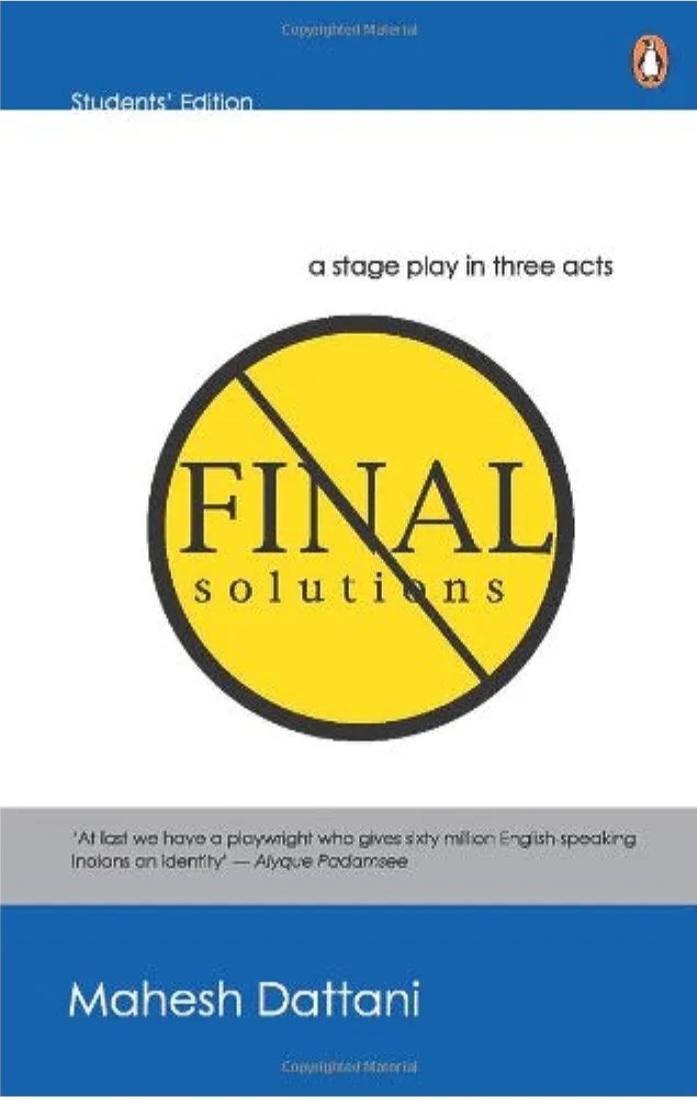
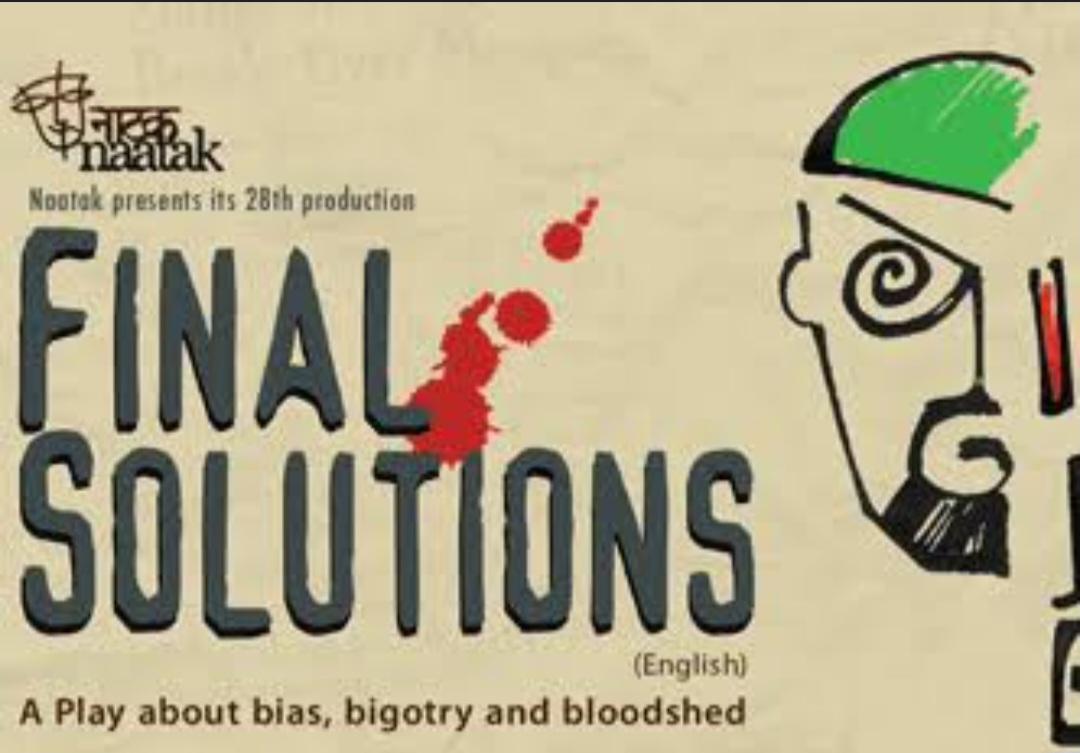
The Play Final Solutions, written by Mahesh Dattani. The Play discusses the theme of communal riots, hatred and bitterness of Hindu and Muslims against each other. 'Final Solutions' is one of Mahesh Dattani's most renowned and Widely Performed Plays. A stage Play in three acts. 


 The Play - Final Solutions revolves around a Hindu family that gives refuge to two Muslim boys during a communal riot. Hardika, Ramnik Gandhi, Bobby and Javed are important characters in the play. Two Muslim boys, Javed and Bobby ( Babban) take refuge in the house of a Hindu businessman, Ramnik Gandhi while a communal riot rages outside.


About Mahesh Dattani :- 

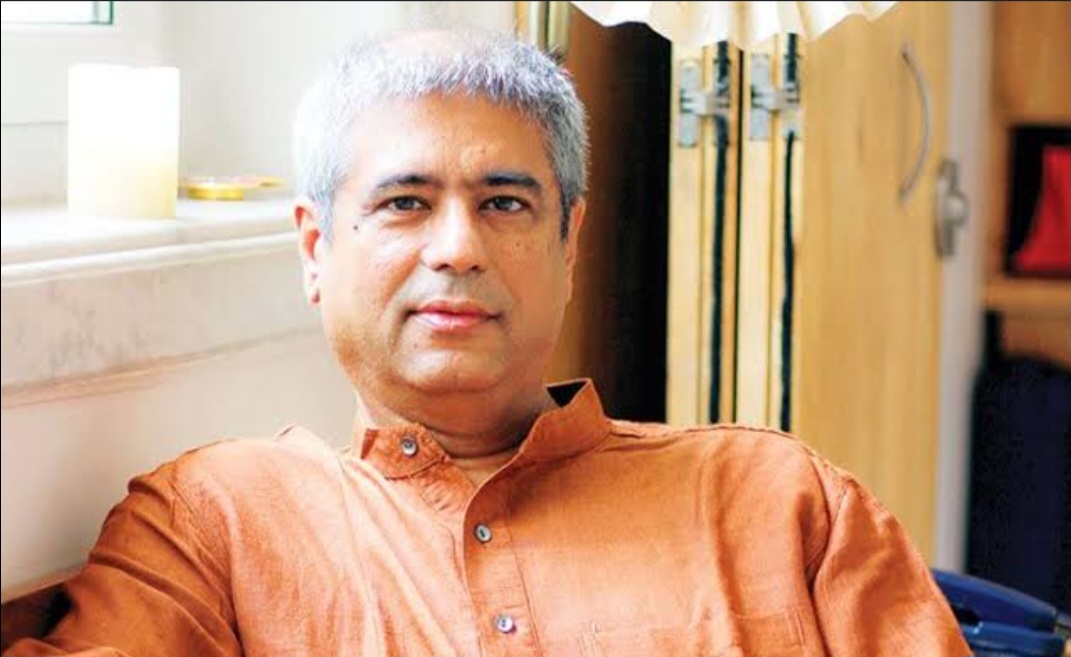
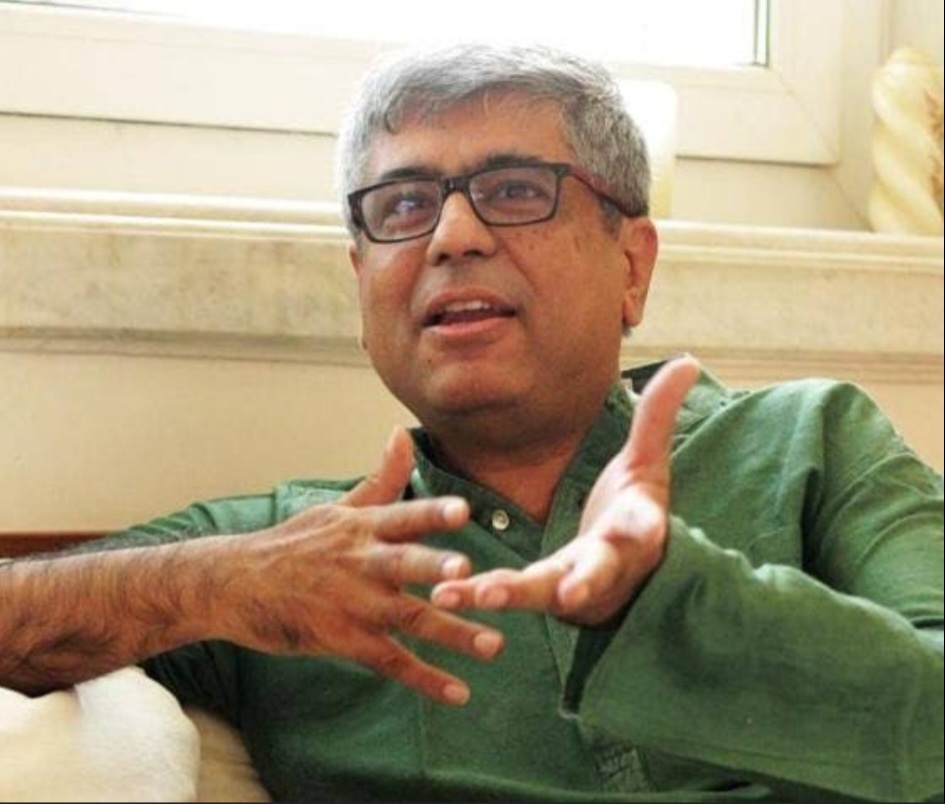
Mahesh Dattani ( born on 7th August 1958) is an Indian director, actor, Playwright and Writer. He is a well- known modern Indian playwright as well as the first Indian playwright to be awarded the Sahitya Academy award in 1998, which is regarded as the highest award in the writing field for one of his best creations, Final Solution and other Plays. He is not only a playwright but also a stage director, an actor, a screenwriter, and a film - maker. He is continuing to contribute to Indian - English drama. His plays are somewhere subjective and he has successfully staged his plays in the whole country. 


 Dattani remarks himself ; 


 " The function of the drama, in my opinion , is not merely to reflect the malfunction of society but to act like freak mirrors in a carnival and to project grotesque images of all that passes for normal in our world. It is ugly, but funny." 


He set himself as a successful playwright among some remarkable playwrights and directors such as Badal sircar, vijay Tendulkar, Girish  and Mahesh Elkunchwar, who no doubt contributed a lot to the growth and development of Indian drama. Dattani's art of writing expresses different mental states, emotions and ideas, desires and aspirations, strengths and weaknesses, basic moral and social questions as well as individual predicaments.

Mahesh Dattani is famous for using unconventional issues and presenting the human relationship and cultural values on the stage through actors' performances which connect each and every person with reality. He uses the unique strategies, tools and techniques which play an important role in his plays and this is enough to win the heart of common People. He started writing in English while at that time drama in English was not exactly flourishing ; on the other hand, he often selects unusual themes for his dramas. 


As Asha kuthari chaudhari comments, 


"The Preoccupation with 'fringe' issues forms an important element in Dattani's work - issues that remain lament and suppressed, or are pushed to the periphery, come to occupy centre stage."


Dattani has a unique strategy to introduce his plays to the audience. He has dramatised Indian cultures realistically.  Human relationships as well as cultural values Play the most important role in Mahesh Dattani's plays. 


His Plays :-

  1. Where There's a Will 

1988

  1. Dance Like a Man 

1989

  1. Tara 

1990

  1. Bravely Fought the queen

1991

  1. Final Solutions

1993

  1. Do the needful 

1997 

  1. On a Muggy Night in Mumbai

1998

  1. Seven Steps Around the Fire 

1999

  1. Thirty Days in September 

2001 

These Plays broke all the barriers in the history of literature. For their keen insight, delicate aesthetic sense, structural skill, Variety, dramatic and theatrical quality of the language, and excellence of stagecraft, they have a distinct place in world dramatic literature. In almost all his plays he has tried to bring on the Forefront the different aspects of Indian culture and class conflict.

He is not only the writer of cultural values but also he throws light on each and every aspect of society like - gender issues, position of women, the political areas, economic condition of society, patriarchy, discrimination, gender identity, development of thoughts and the mental state of people. In short we can say that;  

 ' The Multi - talented playwright Mahesh  Dattani has no boundaries in his writing field.' 


 He has an amazing sense of writing that can easily be seen in his plays as he throws light on societal issues. The Play -  'Final Solutions' is about the lingering echoes of the Partition.  His Plays are known for addressing issues that; 


' Society tries to hide or turn its face away from.' 

Mahesh Dattani's approach is not only to raise questions that exist in contemporary Indian society but to think about the best possible solution for these problems and try to recognize the identity of the marginalised class in society. 

 It was Alyque Padamsee who first spotted and encouraged Mahesh Dattani's talent and gave him the confidence to venture into a career in theatre. Dattani formed his own theatre group, Playpen, in 1984. 


Detailed  Study  of Mahesh Dattani's Play - "Final Solutions" ;- 

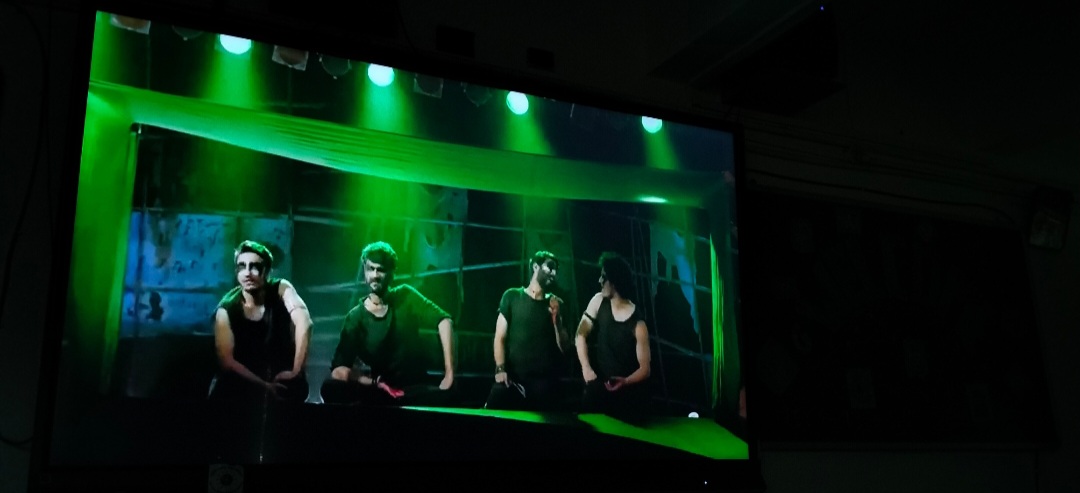
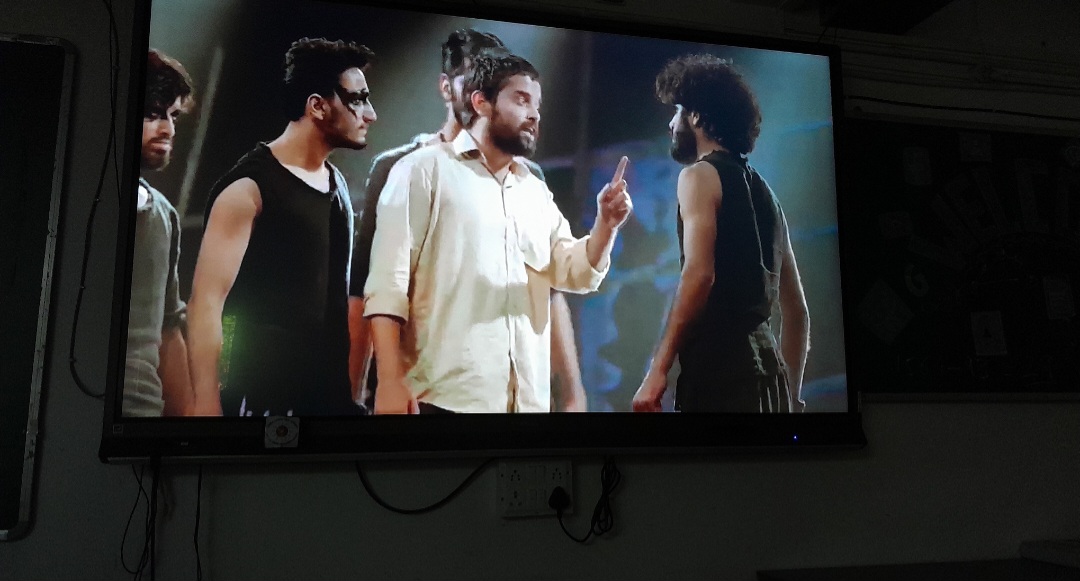
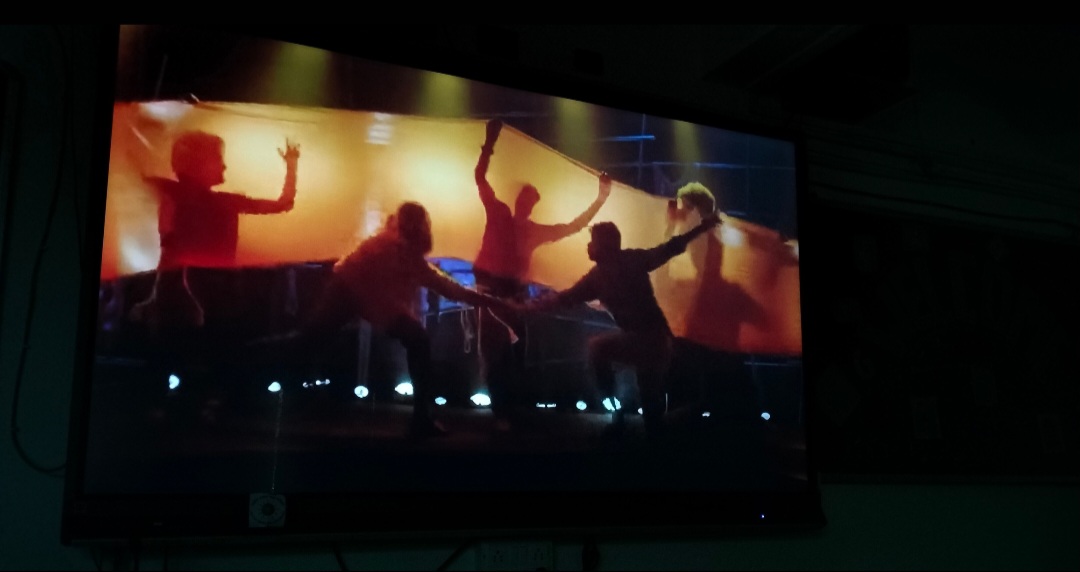
बटने का दर्द कहने से कम हो ता है क्या? 

फर्क रंगों में तलाशो तो अच्छा है, पैदाइशी में फर्क होता है क्या?

-Final Solutions (Zee5 2019)


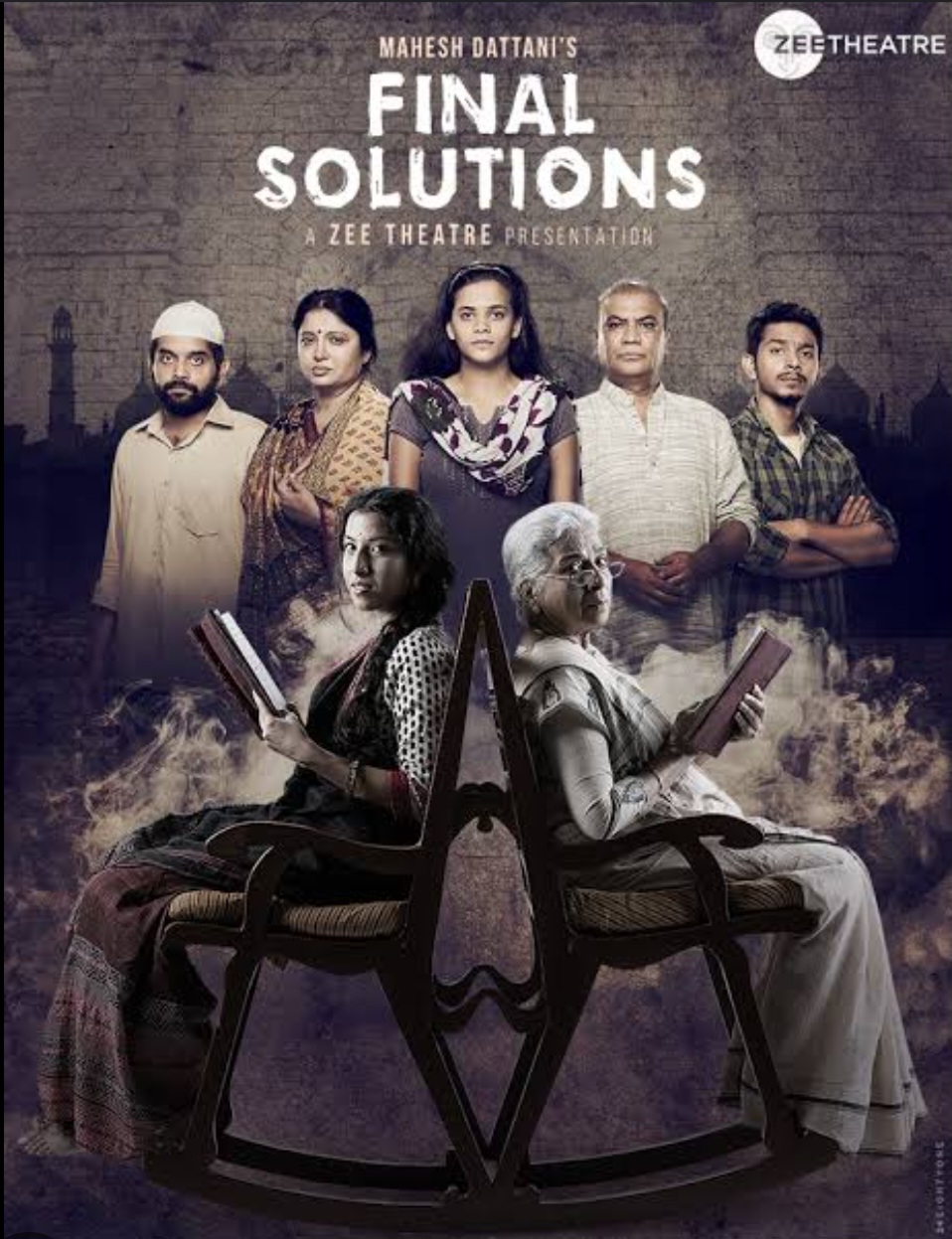
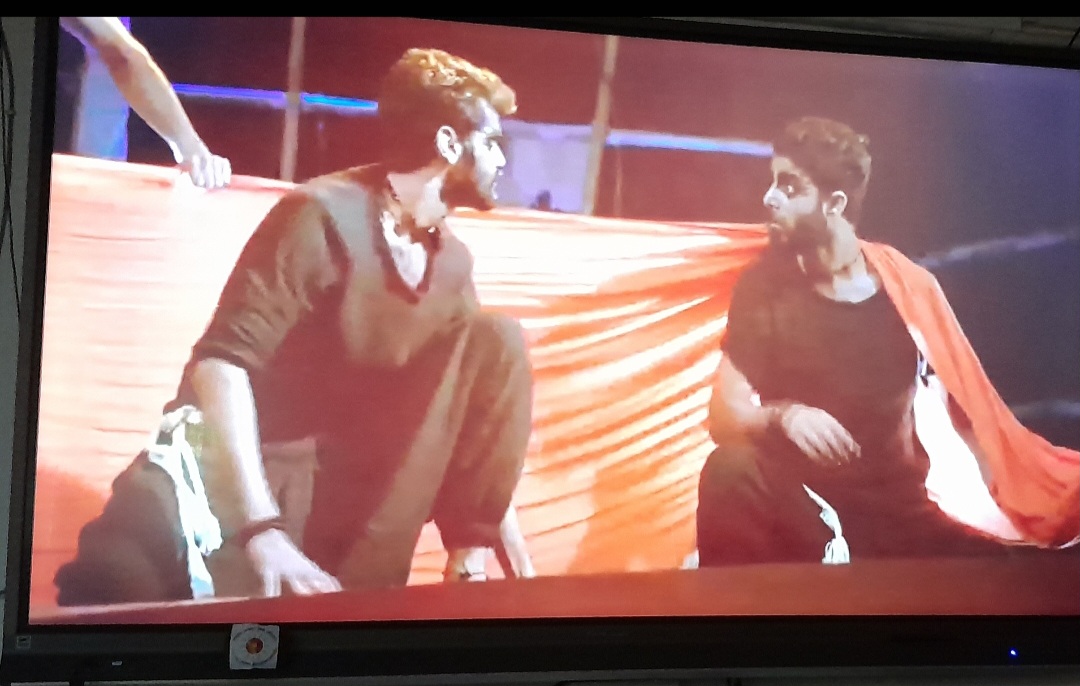
 'Final Solutions' is one of Mahesh Dattani's most renowned and Widely Performed Plays. A Stage Play in three acts. Moving between the Partition of India and the Present day, it explores issues of religious bigotry and Communal Violence. One night, after being chased by a murderous mob, two muslim boys Bobby and Javed Seek take shelter in the home of a Hindu Gujarati family. The boy's arrival Unleashes a flood of bitter memories and deep  Seated Prejudices. And as the tension builds towards a Powerful Climax , the Play becomes a timely reminder of the need for tolerance. The Play's Characters grapple with their Own biases and beliefs, mirroring the Complexities of real life Situations. Dattani Skillfully Unveils the layers of Prejudice through Compelling dialogues Such as ; 


        It’s easier to hate than to love, isn't it?


The Dairy narration technique is used in the play to provide insight into the thoughts, emotions and Perspective of the characters.

The play prominently features Daksha's diary, serving as a  narrative element. Through the character of Hardika, we glimpse into Present events, while Daksha's character brings us into the Past. Mahesh Dattani's skillful use of the diary as a narrative technique is widely praised in this play. 


 Overall, the Diary narration technique in the play Serves as a Powerful tool to enhance the emotional Impact and to highlight the Social and political issues it addresses. 


Mahesh Dattani the first Indian dramatist to write in English tackles the issue of communal divide in his periodic play - ' Final Solutions' where the people belonging to two different religious communities Hindu and Muslim remain polarised on the basis of their respective religion and they have no love and mutual trust between. The playwright tries to reveal the causes of simmering discontentment prevailing on the communal lines between the Hindus and Muslims and suggestively offers some remedies for this problem as he does not want to be seen moralising directly ; 


' Theatre is to me a reflection of what you observe. To do anything more would be to become didactic and then it ceases to be theatre.'


The Play by juxtaposing the people belonging to two different and dominating communities in India - Hindu and Muslim divided on the basis of their religious and cultural beliefs once again opens up the wounds of communal violence inflicted on humanity during Partition. The characters delineated in the play fall into two categories. 


● One group comprises of Hindu such as Hardika, Ramnik Gandhi, his wife Aruna and daughter smita. 


● While the other group comprises of Muslims like Javed, Bobby and their family members. 


Even chorus which plays a very significant role in the development of action in the play represents these two communities.

Mahesh Dattani while delving deep into the psyche of his characters, analyses the process of their attitude formation towards people belonging to different community resulting in their communal preferences and abhorrence and consequently their aspiration for communal hegemony, and explores possibilities of finding a  solution to the problem of communal divide hatred. The past beckons us that in India there have always been clashes of cultural identities between the Hindus and Muslims and our partition 1947 was also the result of this religious divide and cultural dissimilarities. Asha  chaudhari while supporting this point affirms ; 

 " For the Indian, the most important battle for the establishment of a distinctive identity within a territorial location lay in the partitioning of India. National identities were conceived and took shape in accordance with the ideologues that formulated these on the basis of religious identities. The gruesome rioting and communal / religious disharmony that took seed in 1947 has continued to throw up countless such incidents independent of secular India." 


Besides the most important issue of communal disharmony, the play also raises the questions regarding cultural differences, quest for the liberation of the self from the narrow boundaries, feminist concerns, human opportunism, as well as man's attempt to run away from reality and his preference for living in a masked glory. The Playwright very deftly lets his audience have the feel of this facade worn by his characters, by portraying them in various situations and then delicately makes us see the blurred line between honesty and hypocrisy, integrity and diplomacy and reality and pretence. 


Here, In this play the playwright Mahesh Dattani explores some possibilities for Solution to the problem of communal divide in his play - 'Final Solutions' and ultimately suggests some remedies in this regard. The dramatist feel that;


 " Liberal outlook with a conciliatory approach and respect for one - another's beliefs, mutual trust and sharing of pleasures and pains can help in overcoming the man - made communal divide where individuals will be treated as a human being and not as a Hindu or Muslim." 


The Play depicts the scene of a Hindu family in a communal - riots ridden city where two Muslim boys Bobby and Javed have taken shelter from the Hindu mob represented through a chorus wearing Masks. The family comprises Hardika the old lady, her son Ramnik Gandhi, daughter- in-  law Aruna and Hardika's young granddaughter smita. The past of Hardika when she was young is presented through the eyes of a fifteen year old girl Daksha. One keeps on traversing from past to Present and from Present to past. From the Timeline we become aware of the causes of communal distrust through the protagonist Hardika ( Daksha) ; her longing for freedom and its suppression, probing of self about her faith in the Hindu mythology ; the stone throwing and beginning of violence in the streets of Hussainabad, a small town in Gujarat, during Partition in 1948 is again revisited when the two Muslim boys sought shelter in the home of Gandhis : 


"This time it wasn’t the people with the sticks and stones. It was those two boys who were begging for their lives. Tomorrow they will hate us for it. They will hate us for protecting them. Asking for help makes them feel they are lower than us. I know! All those memories came back when I saw the pride in their eyes! I know their wretched pride! It had destroyed me before and I was afraid it would destroy my family again! They don't want equality. They want to be superior." 


Through Hardika's attitude about the two Muslim boys in particular and Muslims in general , Dattani amply makes it clear that desire for cultural and religious hegemony is the main reason behind all this communal hatred and trust deficit between the two communities. Hardika's comments and her behaviour is an expression of her superiority towards the Muslims; she wants to be their saviour and godmother and by doing that she not only hurts their self-  respect and pride, but also reduces them in her estimation of them. Her remarks about Bobby further proves that Muslims are not equal to them : 


' What was he thinking? Of us? That we were all the same? Javed didn't think. I hated him.'


This attitude only helps in sowing the seeds of discordance, because all human beings irrespective of their caste, creed, sex, race or economic condition want personal dignity and to be treated with respect. Besides, we also find these elements of self - grandiose repeatedly in speeches by Aruna and Ramnik where the former after reluctantly offering water to the young boys. Aruna holds the glasses in such a way so that her thumb and fingers don't touch the part of the glasses that is touched by the lips of the Muslim boys and keeps these glasses separate from the others.


The play covers three generations in a period of more than five decades, beginning with partition of India after independence to the early 1990s. Hardika the main character represents the first generation followed by her 

son Ramnik and daughter-in-law Aruna, and the couple functions as a link between the first generation and the young like Samita, Babban and Javed. As a skillful artist, the playwright's use of flashbacks makes the play   a powerful study in time and space where past and present mingle in the eyes of Hardika. 


 Even the chorus plays a vital role in the play. All three generations encountered religious animosity and mistrust prevailing on the communal lines. Outwardly everything seems fine between the people belonging to two different communities; Hindus and Muslims, they have social ties with one another but inwardly there is an undercurrent of abhorrence and mistrust obvious enough for the audience to realise what makes the establishment of healthy relationship between the communities having cultural differences. Dattani shows how we transfer our own perceptions, impressions and viewpoints to the younger generation and this transferring of cultural hostility is revealed through the outbursts of young Daksha who later on as Hardika can never trust the Muslims. 


 The Characters are forced to question their previously held views, memories of past incidents, and their personal conceptions of faith. Each character is seen trying to come to terms with his/her conception of faith and religion, for it forms the very basic characteristic of his/her nature and hence identity, and determines all the actions and reactions to various persons and situations. 


Memory and Identity :- 

Memory plays a very important part in the play. Public memory is time and again juxtaposed with personal memory. Through the interplay of recall memories, the audience sees that the political acts are committed for personal interests. Happenings of the past are contiguous with and impinge upon the incidents of the present night, and vice - versa. 


The action of the Play is happening through the eyes of Hardika, not as it happens but again as a representation of her memory of it. An interesting element of the play is the presence of Hardika and Daksha, shown to be two different, though at the same time, same characters. The play opens with a reading of Daksha’s diary. A diary is something that contains personal memories, written from a point of view of being read by an-other some time in the future. Though this ‘other’ might be another person, it is more often an evolved self. It has all the self-consciousness of a personal memory becoming public in a future time. 


Dattani has interestingly put in two characters to play the grandmother- Hardika and  Daksha - the newly married young girl, who is reading from her diary; and Hardika - the grandmother, who is listening to this diary recitation. The difference between these two is in that while Daksha still holds independent views and is a sort of rebel, Hardika has come to accept her husband’s point of view concerning her friendship with her Muslim neighbours. However, in spite of being two different characters they are not different, their thoughts, memories and actions are seamlessly interwoven as the following diary entry shows: 


 ' And I wrote. A dozen pages before. A dozen pages now. A Young girl's childish scribble. An old Woman's shaky scrawl. Yes, things have not changed that much.'

Ramnik is also plagued by what happened in the past. Knowing what happened years ago, he is ashamed of his father’s and grand-father’s act of arson to lay their hands on Zarine’s father’s shop. Because they were planning to set up a mill as well, it was perhaps more an act of jealousy rather than of communal hatred. Religion merely served to justify the actions later on. Ramink tries very hard to be non-communal. He time and again laughs sarcastically at his wife Aruna as she goes about her rituals and ceremonies. He feels a need to save the two boys from the wrath of the communal mob in an effort to atone for the mistakes committed by his family in the past. He even offers a job to Javed thinking that it would redeem him of his sense of guilt. Ramnik is in the trap of his own memories of the wrongs done in the past. His sense of identity and belonging to either the middle class or to his religion is at the mercy of the happenings of the past and his memories of the same. 

Conclusion :- 

To Conclude, The play - 'Final Solutions'  ends in an ambiguous and disturbing manner. Only Babban has a solution which is that they all believe and have faith and tolerate. And there are no takers for it! All others have just questions and a sense of loss and defeat. Everyone is shaken by the stirring of memories, same memory and yet different for each character. 

References :- 

Dr. Suman Sigroha. Role of Memory in Shaping Characters’ Identity in Mahesh Dattani’s ..., Dec.2013journal.unika.ac.id/index.php/celt/article/download/26/pdf.

Dashrath Gatt. “Will there ever be a final solution? Mahesh Dattani’s  final solutions revisited in the light of communal divide.” Journal of English and Literature https://Www.Academicjournals.Org/App/Webroot/Article/article1379517182_Gatt.Pdf, vol. 3, Oct. 2012, pp. 125–131.

Shweta Dubey. “Mahesh Dattani: A Strategic Playwright.” Journal of Emerging Technologies and Innovative Research (JETIR) https://Www.Jetir.Org/View?paper=JETIR1805667, vol. 5, no. 5, May 2018, pp. 421–422.

[ Word count :- 2,990]

[ Images :- 10] 

Thank You! 

Assignment Paper No. 210(A)

  ● Name :- Hetal Pathak ● Roll No. :- 09  ● Semester :- 4 [ Batch 2022- 2024]  ● Enrollment No. :- 4069206420220022 ● Paper No. :- 210(A) ●...